What Should a CNC Precision Machining DFM Checklist Cover?
Review drawing revision, datums, tolerances, tool and measurement access, workholding, stock, finishing, inspection and RFQ inputs with a CNC DFM checklist.
Direct answer
As of 2026-08-17: A CNC DFM review should cover controlled drawings, function and datums, part form, tool and measurement access, workholding and datum transfer, material and stock condition, surface and edge requirements, special processes, inspection and delivery records. DFM exposes conditions for confirmation; it does not promise a process, tolerance or cost without real equipment and project evidence.
What Should a CNC Precision Machining DFM Checklist Cover?
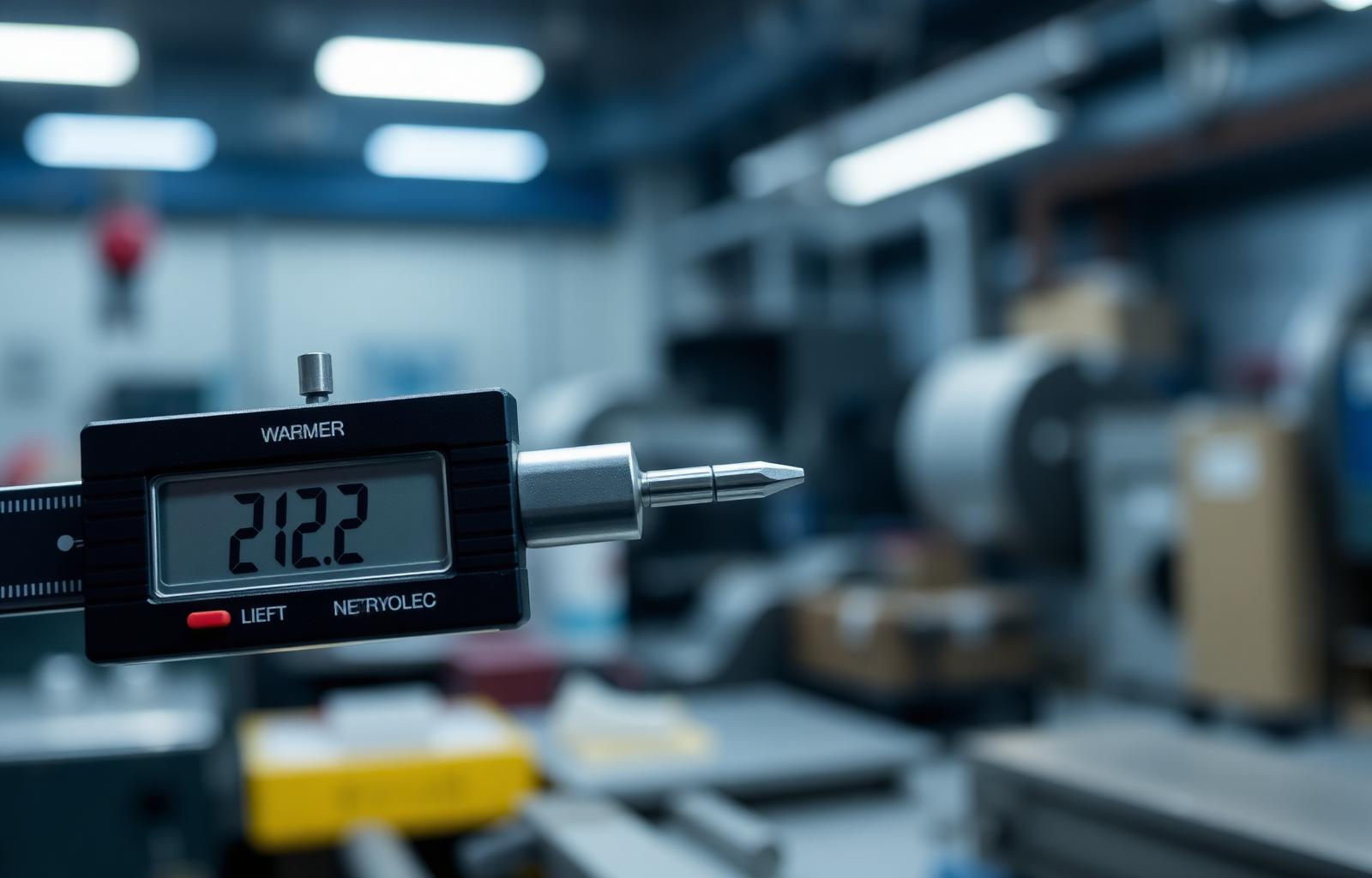
How do the key conditions compare?
| Review group | Key question | Common risk | Required input |
|---|---|---|---|
| Product definition | Are revision, datums and critical characteristics complete? | 2D/3D conflict or unclear functional chain | Controlled drawing, model, mating information and specifications |
| Manufacturing route | Are tool, workholding and setups accessible? | Interference, relocation or weak support | Feature direction, stock, quantity and machine candidates |
| Material and finishing | How do condition, allowance and final dimensions connect? | Distortion, finish growth, wrong material or mixed lots | Material standard, condition, process specification and certificates |
| Inspection and delivery | How will characteristics be measured, recorded and released? | Datum dispute, method mismatch or missing records | Critical characteristics, samples, reports, packaging and delivery terms |
What should be checked first in the drawing, model and functional information?
Confirm the controlling revision, 2D-versus-3D priority, material and condition, units, general notes, critical characteristics and mating relationships. Dimensional and geometric requirements should connect to function and datums rather than being ranked only by the smallest number.
A standard number and symbol need a version and scope. A paid standard's title and public scope may be cited, but its text, tables and figures should not be copied into website content.
How should tool, workholding and measurement access be reviewed together?
Holes, slots, cavities, back-side and multi-face features require checks for cutter and holder space, work support, clamping area, setup sequence and datum transfer. CAD geometry alone can miss fixture obstruction, tool overhang or second-side relocation.
Measurement also needs access. If a specified characteristic cannot be measured reliably with the agreed datum, fixture and equipment, the method should be clarified before quotation rather than disputed after machining.
Why are material, stock, surface and edge requirements reviewed as one group?
Beyond grade, confirm material condition, stock form, allowance, stock datum and lot documents. Heat treatment, plating, anodizing, passivation, cleaning and other special processes can change dimension, surface, material condition and inspection ownership.
Undefined chamfers, sharp edges, burr direction, hole edges and cleanliness often create different manufacturing and acceptance interpretations. DFM should identify functional areas, allowable condition and verification method.
How does DFM output enter quotation, first article and change control?
Useful output includes a clarification list, proposed route and alternatives, critical risks, quotation assumptions, deviations requiring approval, inspection-plan inputs and special-process boundaries. Each conclusion should trace to the controlled drawing, a source or an explicit project assumption.
This DFM article provides a review framework only. Senhold's specific CNC process, equipment, material, workholding, tolerance and inspection method remain subject to the drawing, real resources and project requirements.
Frequently asked questions
Does DFM mean changing the customer's design?
Not necessarily. DFM first identifies risks and conditions for confirmation. Any design change, substitute material or tolerance adjustment should be approved by authorized people and reflected in controlled product definition.
Is only the tightest tolerance worth reviewing?
No. Datum chains, workholding, thin walls, deep holes, finishing, burrs, cleanliness and measurement method may create more risk than one dimensional value.
Does a passed CAM simulation complete DFM?
No. Simulation depends on machine, fixture and postprocessor models and does not replace material, inspection, special-process and controlled-first-run review.
Can a DFM conclusion become a fixed lead-time or cost commitment?
No. Quantity, resources, material, tooling, inspection, outsourcing, packaging and current capacity remain part of the project quotation.
Submit project information
Submission does not generate an automatic quote or promise a fixed response time.