CNC Precision Machining Capabilities and Swiss-Type Specialization
Senhold supports drawing-based CNC precision machining projects. Its documented Swiss-type specialization uses a dedicated Citizen fleet for small-diameter, slender and multi-feature turned components.
Direct answer
Senhold supports drawing-based CNC precision machining projects. Its documented Swiss-type specialization uses a dedicated Citizen fleet for small-diameter, slender and multi-feature turned components. The machining route, material, tolerances, inspection and lead time are confirmed from the drawing and project requirements.
CNC Precision Machining Capabilities and Swiss-Type Specialization
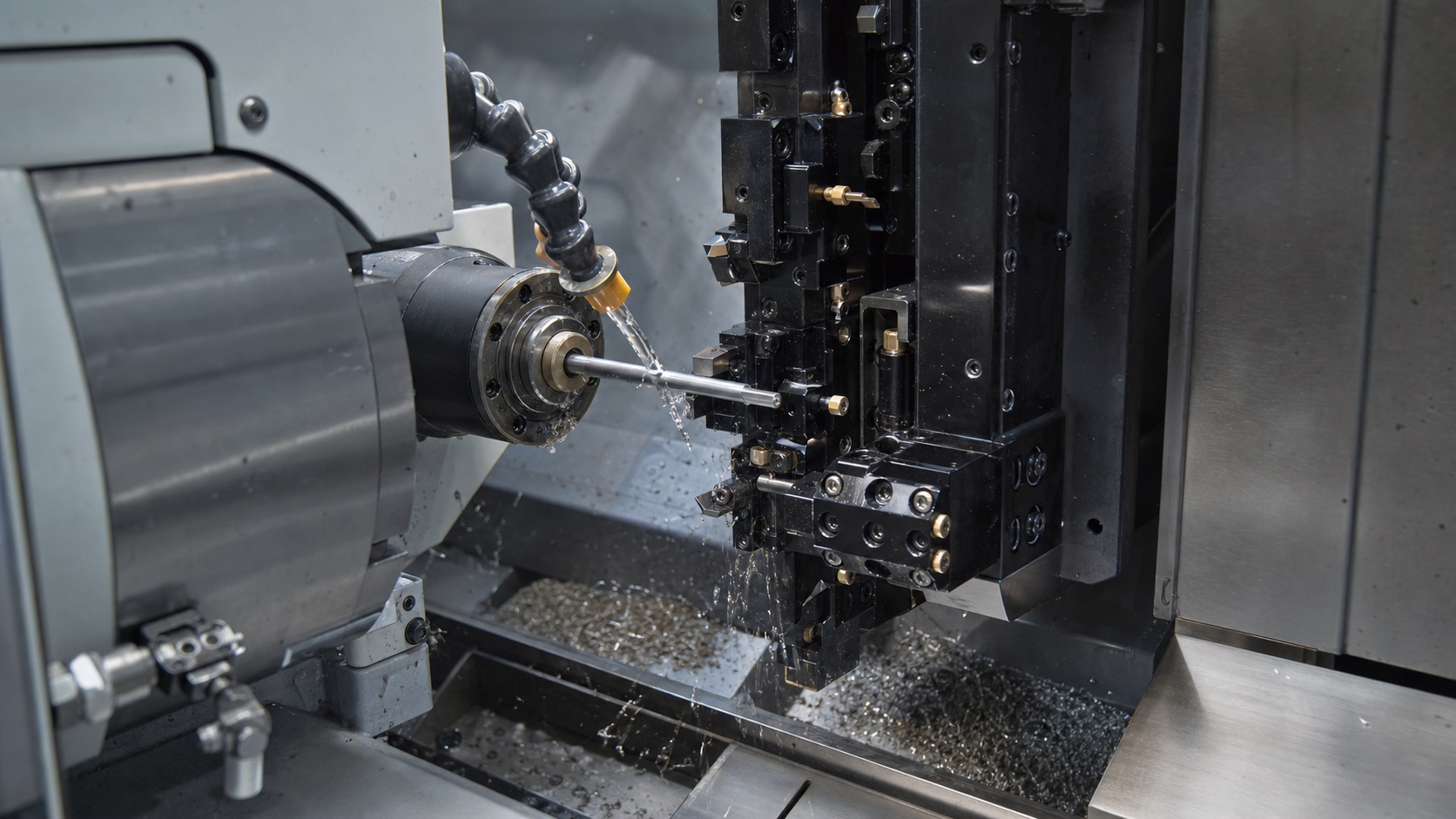
CNC precision machining and Swiss-type specialization
Senhold supports drawing-based CNC precision machining projects. Its documented Swiss-type specialization uses a dedicated Citizen fleet for small-diameter, slender and multi-feature turned components.
From machine structure to project RFQ
Machine structure and work support: A sliding headstock feeds bar stock while a guide bushing can support it close to the cutting zone. The drawing and documented machine configuration determine whether that arrangement is suitable.; Main/sub-spindle and combined operations: Turning, milling, drilling, tapping and cut-off may be combined when features, tooling access and the actual machine configuration permit. A sub-spindle handoff is a planning option, not an assumed capability.; Channel synchronization and collision control: Parallel operations can introduce shared-axis, tool-clearance, transfer and wait-state conflicts. A synchronized plan needs program review, machine-specific validation and a controlled first run.; Process planning and time study: A useful time study separates cutting, positioning, transfer, waiting, inspection and external operations. It supports comparison of routes without publishing unverified cycle-time or savings claims.; First article and inspection: The first article links drawing revision, setup, tool condition, datum strategy and measured results. Inspection scope and records must be agreed for the project.; Controlled RFQ handoff: The review handoff includes drawings, material, quantity, critical characteristics, finishing, inspection documents and application context. It does not create an automatic quotation.
Suitable Swiss-machined parts
Small-diameter parts with a high length-to-diameter ratio; Turned parts combining grooves, threads, cross holes or milled flats; Parts requiring repeatable concentric features in one setup; Medium-to-high volume parts where process stability matters
Other machining routes
Large-diameter plate or disc components; Box-shaped housings dominated by large milling features; Heavy roughing parts with large stock removal; Projects without a controlled drawing, material grade or inspection basis
Drawing checklist
Latest 2D drawing and optional 3D model; Material grade, condition and traceability requirement; Prototype quantity, batch quantity and estimated annual demand; Key tolerances, surface finish and special characteristics; Surface treatment, cleaning, packaging and inspection documents
Choose your project need
All three paths use the same RFQ workflow. The team follows up after submission; no automatic quote or fixed response time is promised.
- Drawing and DFM support:Use this path when geometry, datum strategy, tool access or process routing needs engineering input.
- Prototype or production quotation:Use this path when drawings, quantity and commercial scope are ready for quotation.
- Quality documents or active-project support:Use this path to request project-specific inspection records, document scope or support for an existing project.